Author name: Riswana

Social media post
Uncategorized

The Psychology Behind a Viral Social Media Post

Have you ever wondered why some content receives thousands of likes, shares, comments, and views while others get almost no attention? Two creators can publish content at the same time on the same platform, yet one becomes a viral social media post while the other disappears within hours.Creating a viral social media post is not always about luck. Behind almost every viral social media post is a proven combination of human psychology, emotions, curiosity, timing, storytelling, and audience behavior. Social media users scroll through hundreds of updates every day. Because attention spans are short, people naturally pause only when a viral social media post gives them a strong reason to engage.This is where psychology becomes important.Understanding how people think, feel, react, and share information helps digital marketers consistently craft content that captures attention. A true viral social media post is not simply content that gets views—it makes people feel something strongly enough to like, comment, share, or save. What Makes a Social Media Post Go Viral? There is no single formula that guarantees virality. However, many viral posts share common psychological characteristics. They often: The most important factor is that viral content usually gives people something worth reacting to. People rarely share content simply because it exists. They share it because it makes them laugh, teaches them something, represents their personality, expresses an opinion, or connects with an experience they have had. 1. The Power of the First Impression On social media, you have only a few seconds to capture someone’s attention. Users scroll quickly. If the beginning of your post does not create interest, they may move to the next piece of content. This is why the opening line, headline, first visual, or first few seconds of a video are extremely important. For example, compare these two openings: “Here are some social media marketing tips.” and “Your social media post may be failing for one simple reason.” The second statement creates curiosity. The reader immediately wants to know what that reason is. This is the psychology of the attention gap. When people see information that feels incomplete, their brain naturally wants to discover the missing information. A strong hook can therefore encourage users to stop scrolling and continue reading. 2. Curiosity Makes People Keep Watching Curiosity is one of the strongest psychological triggers in social media marketing. People naturally want answers to unanswered questions. This is why headlines such as: can attract attention. The key is to create curiosity without misleading the audience. This is important because clickbait may generate short-term attention but damage trust in the long term. A good curiosity-based post promises information and then actually delivers it. 3. Emotion Is a Major Driver of Virality People remember information better when it is connected to emotion. A post can make someone: These emotional reactions can increase the likelihood that someone will interact with or share content. For example, motivational content often becomes popular because it connects with people’s hopes and struggles. Funny content gets shared because people want their friends to experience the same feeling. Nostalgic content can become highly engaging because it reminds people of a familiar time, place, or experience. The lesson for marketers is simple: Do not focus only on what you want to say. Think about what you want your audience to feel. 4. Relatability Creates Connection One of the biggest reasons people engage with social media content is that they see themselves in it. A post becomes relatable when it reflects an experience that many people have experienced. For example: “When you spend one hour creating a post and then realize you forgot to add the caption.” A digital marketer may immediately relate to this situation. Relatable content creates a feeling of: “This is exactly me!” That emotional recognition can lead to likes, comments, shares, and tags. People may tag friends because they know someone who behaves the same way. This is why everyday experiences can sometimes perform better than highly polished promotional content. 5. Social Identity Influences Sharing People use social media not only to consume content but also to express who they are. The content someone shares can communicate their personality, interests, beliefs, humor, knowledge, or lifestyle. For example, someone might share: This means marketers should ask: “What does sharing this content allow my audience to say about themselves?” If your content helps people express something about their identity, it may become more shareable. 6. The Psychology of Social Proof People often look at the behavior of others when deciding what deserves attention. If a post already has thousands of likes, comments, or shares, new viewers may assume that the content is valuable or interesting. This is called social proof. For example, when you see a video with millions of views, you may become more interested in watching it because so many other people have already watched it. Social proof can also appear through: For brands, showing genuine customer experiences can help build trust and encourage engagement. 7. Storytelling Makes Content Memorable Humans naturally connect with stories. A list of facts may be useful, but a story can make those facts more memorable. Instead of simply saying: “Consistency is important for social media growth.” you could tell a short story about someone who posted consistently for several months, learned from their analytics, improved their content, and gradually built an audience. Stories create a beginning, middle, and outcome. They also allow audiences to emotionally connect with the person or situation. A strong social media story often includes: Storytelling can therefore turn ordinary information into engaging content. 8. The Fear of Missing Out Another psychological factor behind social media engagement is FOMO—Fear of Missing Out. People do not want to feel that everyone else knows something they don’t. This can be used responsibly in marketing. Examples include: However, marketers should avoid creating unnecessary fear or making false claims. FOMO works best when the information being offered is genuinely useful. 9. The Need for Belonging Humans have a natural desire to feel
keyword research
Uncategorized

Keyword Research: The Foundation of SEO

In the world of digital marketing, having a website is not enough. Your website needs to be visible to the right audience at the right time. This is where Search Engine Optimization (SEO) becomes important. SEO helps websites improve their visibility on search engines like Google and attract people who are actively searching for information, products, or services. One of the most important parts of SEO is keyword research. Before creating a blog post, service page, product description, or website content, it is important to understand what people are searching for online. Keyword research helps you discover the words and phrases your target audience uses when searching for information. Whether you are a beginner, blogger, business owner, or digital marketer, understanding keyword research can help you create better content, reach the right audience, and build a stronger online presence. What Is Keyword Research? Keyword research is the process of finding and analyzing the words and phrases people enter into search engines when looking for information, products, or services. For example, imagine someone wants to learn digital marketing. They might search for phrases such as: These phrases are called keywords. Keyword research helps marketers understand which keywords are relevant to their business and which ones have the potential to bring valuable visitors to their website. It is not simply about finding keywords with high search volume. Good keyword research also considers search intent, competition, relevance, and the needs of the target audience. Why Is Keyword Research Important for SEO? Keyword research is often considered the foundation of SEO because it helps you understand what your audience actually wants. 1. Understand Your Audience The first benefit of keyword research is understanding your audience. When you know what people search for, you can better understand their questions, problems, interests, and needs. For example, if many people search for “how to improve Instagram engagement,” they may be looking for practical social media marketing tips. Creating useful content around this topic can help you connect with those users. 2. Find Content Ideas Sometimes, creating fresh blog topics can be difficult. Keyword research can give you many content ideas. If your main topic is SEO, related searches might include: Each keyword can potentially become a blog post, guide, FAQ, or social media content idea. 3. Improve Search Visibility Using relevant keywords in your website content helps search engines understand what your page is about. When your content closely matches what users are searching for and provides useful information, it has a better opportunity to appear in relevant search results. However, keywords alone do not guarantee rankings. Quality content, website experience, technical SEO, backlinks, and other factors also play important roles. 4. Attract Relevant Traffic Getting thousands of visitors is not always the goal. What matters is attracting the right visitors. For example, a website selling digital marketing services would benefit more from visitors searching for “digital marketing services” than from people searching for a completely unrelated high-volume keyword. Keyword research helps you focus on searches that are relevant to your business and audience. Different Types of Keywords Understanding different types of keywords can make your SEO strategy more effective. Short-Tail Keywords Short-tail keywords are usually broad and contain one or two words. Examples include: These keywords can have high search volume but are often highly competitive and may have unclear search intent. Long-Tail Keywords Long-tail keywords are longer and more specific search phrases. Examples include: Long-tail keywords usually have a more specific intent. They can be valuable because users searching with detailed phrases often know more clearly what they are looking for. Branded Keywords Branded keywords contain a specific brand or business name. For example: Businesses should monitor branded searches because they can show how people are discovering and searching for a brand. Local Keywords Local keywords include a location and are especially useful for businesses serving a specific area. Examples include: Local keyword research can help businesses target customers searching for services in their area. Understanding Search Intent Search intent refers to the reason behind a user’s search. Understanding intent is one of the most important parts of keyword research. Informational Intent The user wants to learn something. Examples: Navigational Intent The user is looking for a particular website, brand, or page. Examples: Commercial Intent The user is researching options before making a decision. Examples: Transactional Intent The user is ready to take an action such as purchasing, booking, or signing up. Examples: Understanding search intent helps you create content that matches what users actually want. How to Do Keyword Research Step by Step Keyword research does not have to be complicated. You can follow a simple process. Step 1: Understand Your Niche Start by understanding your business, website, products, services, and target audience. Ask yourself: These questions help you create a starting list of keywords. Step 2: Create Seed Keywords Seed keywords are basic words or phrases related to your main topic. For a digital marketing website, seed keywords could include: These keywords can then be expanded into more specific search phrases. Step 3: Use Keyword Research Tools Several tools can help you discover keyword ideas and analyze them. Popular options include: These tools can provide information about search trends, keyword ideas, competition, and other useful data. Step 4: Analyze Search Volume and Competition Search volume tells you approximately how often people search for a keyword. Competition tells you how difficult it may be to compete for that keyword. A keyword with extremely high search volume may look attractive, but it can also be very competitive. A more specific keyword with lower search volume may bring more relevant visitors and be easier to target. The goal is to find a balance between relevance, search demand, competition, and search intent. Step 5: Check the Search Results Before choosing a keyword, search for it on Google. Look at the pages already ranking for that search. Ask yourself: This helps you understand what Google and users expect from the search. Step 6: Choose Primary and Secondary

future of digital marketing
Uncategorized

The Future of Digital Marketing: Trends, Technology, and What Businesses Can ExpectFuture of Digital Marketing

The digital world is changing faster than ever. Every day, new technologies, platforms, tools, and consumer behaviors are changing the way businesses communicate with their audiences. As people spend more time online, understanding the future of digital marketing has become an essential part of modern business growth.But digital marketing is not standing still.The strategies that worked a few years ago may not produce the same results in the future. Search engines are becoming smarter, artificial intelligence is transforming content creation, social media platforms are evolving, and customers increasingly expect personalized experiences. Understanding the future of digital marketing ensures your business stays ahead of these changes. This makes one question more important than ever: What does the future of digital marketing look like? The future of digital marketing will be shaped by technology, creativity, data, personalization, automation, and changing customer expectations. Businesses that understand these changes early will have a better opportunity to connect with their audiences and remain competitive. In this blog, let’s explore the major trends that are likely to shape the future of digital marketing and how businesses and marketers can prepare for them. What Is the Future of Digital Marketing? The future of digital marketing is about using technology and data to create more meaningful connections between businesses and customers. Understanding how the future of digital marketing evolves helps brands build long-term growth strategies. Traditional digital marketing already includes areas such as: These areas will continue to be important, but the way they are used will change. Future digital marketing will focus more on understanding individual customers, delivering personalized experiences, using artificial intelligence responsibly, creating valuable content, and building long-term relationships. Instead of simply asking, “How can we get more clicks?”, marketers will increasingly ask, “How can we create a better experience for the customer?” That change in mindset will be one of the biggest developments in digital marketing. 1. Artificial Intelligence Will Transform Digital Marketing Artificial intelligence (AI) is already reshaping the marketing industry, driving key shifts in the future of digital marketing. AI tools help marketers analyze data, generate ideas, create content, understand customer behavior, automate repetitive tasks, and improve overall campaign performance.As we look ahead, AI will become even more deeply integrated into daily workflows, defining the future of digital marketing strategies. For example, marketers will rely on AI across the future of digital marketing landscape to: However, AI will not necessarily replace marketers. Instead, marketers who know how to use AI effectively may have an advantage over those who do not. Human creativity, emotional understanding, strategy, storytelling, and decision-making will remain extremely valuable. The future is therefore likely to be less about AI versus humans and more about AI working with humans. 2. Personalization Will Become More Important Customers do not want to feel like they are receiving the same message as everyone else. They expect brands to understand their interests, preferences, and needs. This is why personalization will become increasingly important in digital marketing. Instead of sending one generic message to thousands of people, businesses can create different experiences for different customer groups. For example, an online store might recommend products based on a customer’s previous interactions. An email campaign might provide different offers depending on customer interests. Personalization can make marketing more relevant and useful. However, businesses must also respect privacy and use customer data responsibly. Personalization should create value rather than make customers feel uncomfortable. 3. Search Will Continue to Evolve Search engine optimization has always been an important part of digital marketing, but search behavior is changing. People are no longer relying only on traditional search engines. They are also using social media, video platforms, voice assistants, and AI-powered search experiences to discover information. This means SEO will continue to evolve. Future SEO strategies will focus not only on keywords but also on: Marketers will need to understand what users actually want instead of simply adding keywords to articles. The goal will be to provide the best possible answer or experience for the user’s question. 4. AI-Powered Search Will Change How People Discover Information One of the major developments in the future of digital marketing is the growth of AI-powered search and answer experiences. People are increasingly asking conversational questions and expecting direct, summarized answers. This can change how businesses think about online visibility. Instead of focusing exclusively on ranking for individual keywords, businesses will need to build strong topical authority and create useful, trustworthy content that answers real questions. For marketers, this means content quality will become even more important. Businesses should focus on demonstrating expertise, providing original information, answering customer questions, and maintaining accurate online information. 5. Video Marketing Will Continue to Grow Video has become one of the most powerful forms of online content. Short-form videos, tutorials, product demonstrations, educational videos, interviews, behind-the-scenes content, and live streams can help brands communicate quickly and creatively. Video works particularly well because it combines visuals, sound, storytelling, and emotion. In the future, businesses will continue to invest in video content across platforms. However, successful video marketing will not always require expensive production. Simple, authentic, useful videos can perform well when they provide something valuable to the audience. For example, a digital marketer could create short videos explaining SEO tips, social media strategies, content marketing ideas, or common marketing mistakes. The focus should be on the value of the message rather than perfection. 6. Social Media Will Become More Community-Focused Social media platforms are no longer simply places where people share photos and updates. They have become powerful marketing, communication, customer-service, and community-building platforms. In the future, businesses may focus less on simply gaining followers and more on building active communities. A smaller community of highly engaged followers can be extremely valuable. Brands will need to encourage conversations, respond to customers, share useful content, and create experiences that make people feel connected. Social media success will increasingly depend on relationships rather than vanity metrics. 7. Influencer Marketing Will Become More Strategic Influencer marketing has already become an important part

Social media strategy
Uncategorized

How to Build a Successful Social Media Strategy

Social media has become one of the most powerful tools for businesses, brands, creators, and professionals. Today, people use platforms such as Instagram, Facebook, LinkedIn, YouTube, TikTok, and Pinterest not only for entertainment but also to discover products, learn new things, connect with brands, and make purchasing decisions. However, simply creating social media accounts and posting regularly does not guarantee success. A successful social media presence requires a clear plan, consistent effort, valuable content, and a good understanding of your audience. This is where a strong social media strategy becomes important. A well-planned social media strategy helps you understand what to post, where to post, who you are targeting, and what you want to achieve. Whether you are a small business owner, a startup, a personal brand, or a digital marketer, having the right strategy can help you build a stronger online presence and achieve meaningful results. In this blog, let us explore how to build a successful social media strategy step by step. What Is a Social Media Strategy? A social media strategy is a structured plan that outlines how your business will use social media platforms to achieve specific marketing goals. Developing an effective social media strategy helps define your target audience, platform choices, content types, posting schedule, brand voice, and performance metrics.Instead of posting randomly, a well-defined social media strategy gives all of your online activities clear direction and purpose. For example, your overall social media strategy might use Instagram to build brand awareness, LinkedIn to establish professional credibility, and Facebook to engage local customers. Ultimately, every action taken within your social media strategy should directly support your broader business objectives. A good strategy answers important questions such as: When these questions are answered clearly, social media becomes more purposeful and effective. 1. Define Your Social Media Goals The first step in building a successful social media strategy is defining your goals. Without clear goals, it becomes difficult to understand whether your social media efforts are actually working. Your goals should be specific and connected to your overall business or personal branding objectives. Some common social media goals include: For example, instead of saying, “I want more followers,” you could set a goal such as, “I want to increase relevant Instagram followers by 20% within three months.” Clear goals make it easier to create appropriate content and measure progress. 2. Understand Your Target Audience Knowing your audience is one of the most important parts of social media marketing. You cannot create effective content if you do not know who you are creating it for. Your audience may differ based on age, location, interests, profession, income, lifestyle, needs, and online behavior. Start by creating a basic audience profile. Think about: For example, if you are promoting a professional digital marketing service, your target audience could include small business owners, entrepreneurs, startups, and professionals who want to improve their online presence. Understanding their problems allows you to create content that provides solutions. Instead of simply promoting your service, you could create posts such as “5 Reasons Your Business Needs SEO” or “How to Get More Customers Through Instagram.” When your content solves real problems, people are more likely to notice, trust, and engage with your brand. 3. Choose the Right Social Media Platforms You do not need to be active on every social media platform. One of the common mistakes businesses make is trying to manage too many platforms at the same time. This can reduce content quality and make it difficult to maintain consistency. Choose platforms based on your audience, goals, industry, and available resources. Instagram Instagram is useful for visual content, personal branding, products, services, Reels, Stories, and community building. Facebook Facebook can be useful for communities, local businesses, customer engagement, events, and different forms of content. LinkedIn LinkedIn is especially useful for professional branding, B2B marketing, networking, industry insights, and career-related content. YouTube YouTube is ideal for long-form video content, tutorials, educational content, reviews, and storytelling. TikTok TikTok focuses heavily on short-form video and can be useful for entertainment, education, trends, and reaching new audiences. The goal is not to be everywhere. The goal is to be where your audience is. 4. Create a Strong Brand Identity Your social media profiles should clearly represent your brand. A strong brand identity makes your content recognizable and helps build trust. Your identity can include: Consistency is important. When people see your posts repeatedly, they should be able to recognize that the content belongs to your brand. For a personal brand, your identity can also include your personality, expertise, communication style, and personal story. Your social media profile should communicate who you are, what you do, and how you can provide value. 5. Develop Your Content Pillars Content pillars are the main topics or categories around which your social media content is created. Having content pillars prevents your page from becoming repetitive or confusing. For example, a digital marketer could use these content pillars: These categories provide a framework for creating content. You can then create different posts under each pillar. For example, under SEO, you could create posts about keyword research, on-page SEO, technical SEO, SEO mistakes, and website optimization. Content pillars make planning easier and help your audience understand what they can expect from your page. 6. Create Valuable and Relevant Content Content is at the heart of every successful social media strategy. Your content should provide something useful to your audience. It could educate them, entertain them, inspire them, solve a problem, or help them make a decision. Some popular content formats include: Avoid making every post promotional. If every post says “Buy now” or “Contact us,” your audience may lose interest. Instead, follow a value-first approach. Teach something useful before asking people to buy something. For example, a skincare brand could share skincare tips, ingredient information, common mistakes, and routines before promoting its products. This approach helps build trust over time. 7. Build a Content Calendar A content calendar helps you organize your social

target audience
Uncategorized

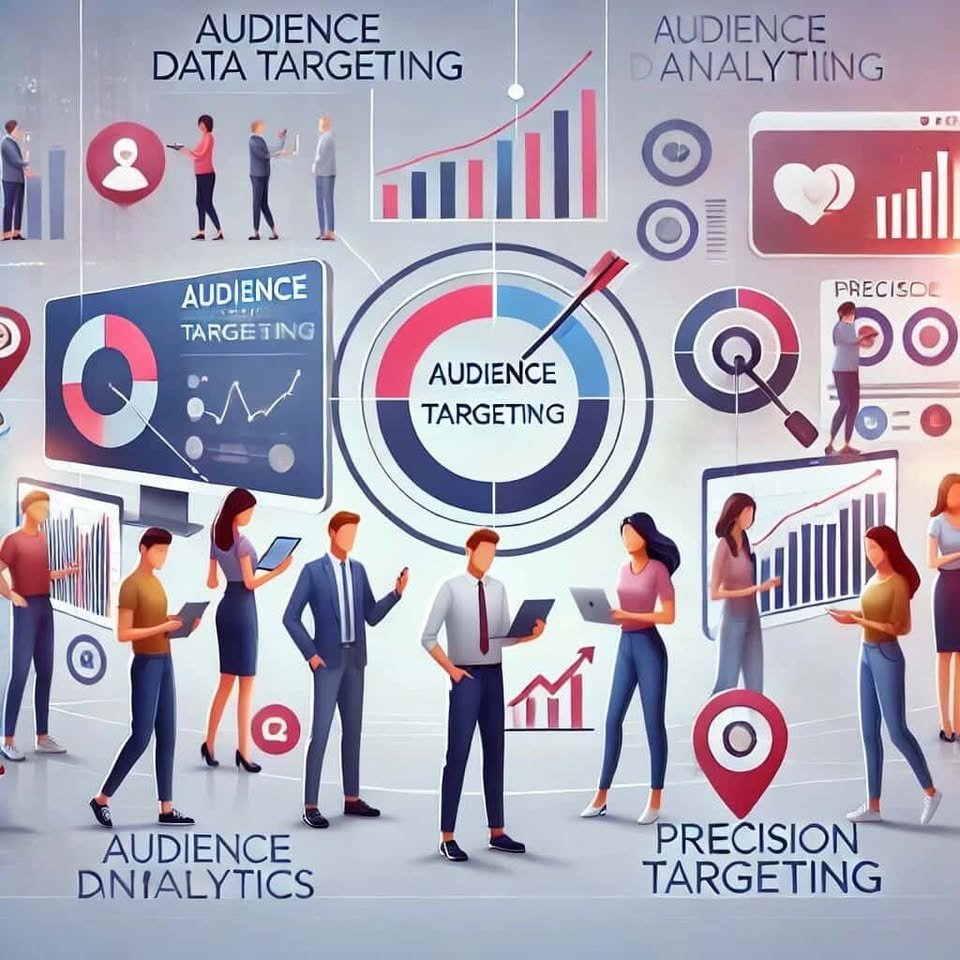
How to Find the Right Target Audience

In digital marketing, creating good content is important, but creating content for the right people is even more important. You can have a beautiful website, attractive social media posts, and a great product, but if your marketing message is reaching the wrong audience, getting good results can be difficult. This is why understanding your target audience is one of the first steps in building a successful digital marketing strategy. A target audience is the specific group of people who are most likely to be interested in your product, service, content, or brand. They may share similar needs, interests, behaviors, locations, age groups, or purchasing habits. For example, a business selling professional skincare products may not need to target everyone online. Instead, it may focus on people who are interested in skincare and are looking for solutions to specific skin concerns. Finding the right target audience helps businesses spend their time, money, and effort more effectively. It also makes it easier to create relevant content, choose the right platforms, develop better advertisements, and build stronger relationships with customers. In this blog, we will explore what a target audience is, why it matters, and how you can identify the right audience for your business. What Is a Target Audience? A target audience is a particular group of people that a business wants to reach with its marketing activities. These people are more likely to have an interest in the product or service being offered. A target audience can be defined using different characteristics, such as: For example, imagine you are marketing an online digital marketing course. Your target audience might be: Students, beginners, freelancers, and small business owners who want to learn digital marketing skills. This is much more useful than simply saying: “Everyone who uses the internet.” The more clearly you understand your audience, the easier it becomes to communicate with them. Why Is Finding the Right Target Audience Important? One of the biggest mistakes businesses make is trying to market to everyone. At first, targeting everyone may seem like a good idea because it gives you a larger potential audience. However, not everyone needs your product. When you try to communicate with everyone, your message can become too general. For example: “We provide the best products for everyone.” This does not tell a specific customer why they should choose you. A more focused message could be: “Affordable skincare products designed for simple daily routines.” This message speaks more directly to people interested in skincare and simple routines. Finding the right target audience can help you: Before looking for your audience, understand what you are offering. Ask yourself: What does my product do? What problem does it solve? Who needs this solution? What benefits does it provide? For example, suppose you offer social media management services. Your service may help businesses save time, improve their online presence, and create consistent social media content. Potential customers could include small businesses, entrepreneurs, restaurants, clothing brands, beauty businesses, or local service providers. Understanding your own offering gives you a starting point for finding your audience. People often buy products or services because they have a problem they want to solve. Think beyond the product itself. Instead of asking: “Who might like my product?” Ask: “Who has the problem that my product solves?” For example, a meal delivery business does not simply sell food. It may solve problems such as: This means busy professionals and students may be potential target audiences. Understanding the problem allows you to identify people who genuinely need your solution. If your business already has customers, they are one of your best sources of information. Look at your existing customer base. Try to understand: You may notice patterns. For example, perhaps most of your customers are young professionals from a particular city. That information can help you focus your future marketing efforts. A customer persona is a simple profile representing your ideal customer. Instead of thinking about your audience as a large group of people, imagine one typical customer. For example: Name: AnuAge: 24Location: KeralaOccupation: StudentInterest: Digital marketing and social mediaGoal: Learn new skills and find a jobProblem: Doesn’t know where to startPreferred platforms: Instagram and LinkedIn This persona helps you imagine who you are speaking to when creating content. You can create more than one persona if your business serves different groups. Demographics are basic characteristics about your audience. These can include: For example, a luxury travel company may target people with higher disposable income who are interested in premium travel experiences. A student-focused educational service may target younger audiences. Demographics provide a basic understanding of who your audience is. However, demographics alone are not enough. Psychographics focus more on what people think and feel. They include: Two people can have the same age and live in the same city but have completely different interests and purchasing behaviors. For example, two 25-year-olds may live in the same area. One may be interested in fitness and healthy living, while the other may be interested in gaming and technology. Understanding psychographics helps you create more personalized marketing messages. Good marketing starts with understanding what people need. Your audience may want: Find out what matters most to your audience. Then communicate how your product or service can provide that benefit. Pain points are problems or frustrations that customers experience. For example, a small business owner might struggle with: If you provide digital marketing services, these pain points can help you create highly relevant content. Instead of simply saying: “We offer digital marketing services.” You could say: “Struggling to get customers from social media? Here are three ways to improve your strategy.” The second message directly addresses a problem. Different audiences use different platforms. Some people spend more time on Instagram. Others may prefer LinkedIn, YouTube, Facebook, Pinterest, or other platforms. Your goal is not to be everywhere. Your goal is to be where your audience is. For example: Students: Instagram, YouTube, LinkedIn Professionals: LinkedIn Visual-focused audiences: Instagram, Pinterest Video-focused audiences: YouTube and

Turn Followers into Customers
Uncategorized

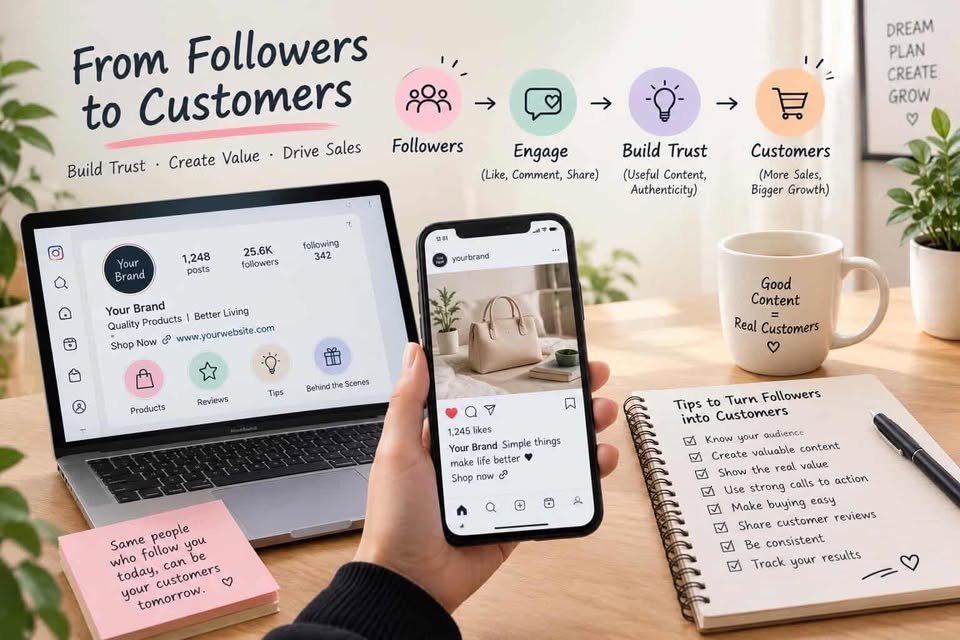
How to Turn Followers into Customers

In today’s digital world, social media has become an important part of marketing. Businesses use platforms like Instagram, Facebook, LinkedIn, and other social networks to connect with people, share content, and promote their products or services. Building a large following can feel like a big achievement. But there is an important question every business should ask: How to Turn Followers into Customers ? Having a large number of followers is a great achievement, but it does not always lead to business growth. What matters most is how you engage with your audience and build their trust. By sharing useful content, understanding their needs, and showing the value of your products or services, you can Turn Followers into Customers and create meaningful business results. Social media is not just about gaining likes and followers. It is about building genuine relationships with people and guiding them toward the right action. A strong strategy can help you Turn Followers into Customers by creating trust, providing value, and making it easy for your audience to choose your brand. What Is the Difference Between Followers and Customers? A follower is someone who chooses to follow your social media account. They may be interested in your content, brand, products, or industry. A customer is someone who actually purchases your product or service. For example, imagine an Instagram page has 20,000 followers but only a few people purchase from the business. Another page may have only 3,000 followers but regularly receives orders from its audience. Which page is more valuable? The second one may have a smaller audience, but its followers are more interested and more likely to become customers. This is why quality of followers can be more important than quantity. The first step toward turning followers into customers is understanding who they are. You need to know what your audience wants, what problems they have, and what motivates them. Ask questions such as: The better you understand your audience, the easier it becomes to create content that connects with them. For example, if you sell skincare products, your audience may want information about skincare routines, ingredients, skin concerns, and product recommendations. Instead of constantly saying, “Buy our product,” you can first provide useful information. People are more likely to buy from brands they trust. Think about your own shopping behavior. Would you immediately purchase an expensive product from a company you have never heard of? Probably not. You may first look at reviews, product information, social media posts, website details, and customer experiences. Your followers are likely to do the same. Build trust by: Trust takes time, but it can become one of your strongest business assets. Not every social media post should be about selling. If every post says “Buy now,” followers may lose interest. Instead, use a mixture of content. You can create: Educational contentTeach your audience something useful. Entertaining contentCreate content that makes people smile, laugh, or feel connected. Inspirational contentShare stories, ideas, and motivation. Engaging contentAsk questions and encourage conversations. Promotional contentIntroduce products, offers, services, and special deals. A good content strategy balances value and promotion. People do not simply buy products. They buy solutions to problems. Instead of focusing only on product features, explain how your product can help. For example, instead of saying: “Our bag has multiple compartments.” You could say: “Keep your daily essentials organized with multiple compartments designed for easy access.” The second message focuses on the customer’s benefit. Always think: What problem does my product solve? Then communicate that clearly. Sometimes followers are interested in your product but do not know what to do next. This is where a Call to Action (CTA) becomes important. A CTA tells people what action they should take. Examples include: A clear CTA removes confusion and makes it easier for followers to move toward a purchase. Imagine someone sees your product on Instagram and wants to buy it. They click your profile but cannot find a website. Then they send a message but receive no response. After several steps, they may simply give up. The buying process should be as simple as possible. Make sure your followers can easily find: The fewer unnecessary steps customers have to take, the better. People often want to know whether other customers have had a good experience before they make a purchase. This is called social proof. Social proof can include: For example, sharing a customer’s experience can help potential buyers feel more confident. Instead of simply saying, “Our product is amazing,” show real experiences whenever appropriate and with proper permission. Testimonials can be powerful because they show real customer experiences. Ask satisfied customers if they are comfortable sharing a review. You can turn their feedback into social media posts, Stories, website sections, or videos. A simple testimonial can answer questions that potential customers may have. For example: “I ordered this product last month and loved the quality. Delivery was also quick.” Real experiences can make your brand feel more trustworthy. Social media Stories can be useful for building relationships. Stories are often more casual and immediate than regular posts. You can use them to share: Stories can help followers feel closer to your brand. The more familiar people become with your business, the more comfortable they may feel purchasing from you. Sometimes customers do not buy because they do not fully understand how a product works. Product demonstrations can solve this problem. Show your product in action. For example: A clothing brand can show how to style an outfit. A beauty brand can demonstrate how to use a product. A software company can show how its tool works. A food business can show how a dish is prepared. Demonstrations reduce confusion and help customers imagine using the product themselves. Questions from followers are valuable. If one person asks a question, many other people may have the same question. Pay attention to comments and direct messages. Common questions can become future content. For example, if people frequently ask: “How long does delivery take?”

PERSONAL BRANDING
Uncategorized

Personal Branding: How to Build Your Online Identity

In today’s digital world, having an online presence is more important than ever. Whether you are a student, freelancer, entrepreneur, employee, content creator, or business owner, people can discover you through the internet before they meet you in person. When someone searches for your name online, what do they see? Your social media profiles, LinkedIn profile, website, portfolio, photographs, posts, and other online activities can create an impression of who you are. This is where personal branding becomes important. Personal branding is not about pretending to be someone else or trying to become famous. It is about showing people who you are, what you know, what you do, and what makes you different. A strong personal brand can help you build credibility, create opportunities, connect with the right people, and stand out in a competitive digital environment. What Is Personal Branding? Personal branding is the process of building and managing the way people recognize and remember you. It is the combination of your skills, knowledge, personality, values, experiences, communication style, and online presence. For example, if someone regularly shares useful information about digital marketing, people may begin to recognize that person as someone interested in or knowledgeable about digital marketing. Your personal brand answers a simple question: “What do I want people to remember about me?” It could be your expertise, creativity, professionalism, communication skills, unique perspective, or a specific area of knowledge. Why Is Personal Branding Important? The internet has made it easier for people to create their own professional identity. In the past, a resume or business card was often enough to introduce yourself professionally. Today, your online presence can also play an important role. A strong personal brand can help you: For students and beginners, personal branding can be especially useful because it allows them to showcase their learning and skills even before gaining years of professional experience. Personal Branding Is More Than a Logo One common misunderstanding is that personal branding is only about creating a logo, choosing colors, or designing a professional profile picture. Visual identity is important, but personal branding goes much deeper. Your personal brand includes: A logo can support your personal brand, but you are the brand. Before building your personal brand, understand yourself. Ask yourself some basic questions: What am I good at? What do I enjoy learning about? What are my strengths? What topics can I talk about confidently? What kind of work do I want to do? What do I want people to know me for? You do not need to have all the answers immediately. Personal branding is a journey. Your interests and skills can develop over time. The important thing is to start with an area that genuinely interests you. A niche is a specific area that you want to focus on. For example, instead of simply saying “I am interested in marketing,” you could focus on: Choosing a niche can make it easier for people to understand what you are interested in. However, you do not need to restrict yourself too much. You can start with a broad area and gradually discover what works best for you. Your personal brand should communicate a clear message. Think about how you want people to describe you. For example: “A digital marketing learner sharing simple marketing tips.” This is clear, simple, and easy to understand. Your brand message does not need to sound complicated. It simply needs to communicate who you are and what you offer. Your social media profiles are often the first place people learn about you. Make sure your profile looks professional and consistent. Pay attention to: You do not need an expensive photoshoot or complicated design. A clear photograph, simple bio, and organized profile can make a strong first impression. Your bio should quickly tell people who you are. For example: Digital Marketing Enthusiast | SEO | Social Media Marketing | Content Creator A good bio can help visitors understand your interests and expertise within a few seconds. You can also include what you are currently doing or what you want to help people with. Keep it simple and avoid filling your bio with unnecessary information. You do not need to be active on every social media platform. Choose platforms where your target audience is most likely to spend time. For professional branding, LinkedIn can be useful. For visual content, Instagram can be valuable. For long-form video content, YouTube can be useful. The best platform depends on your goals and audience. It is better to build a strong presence on a few platforms than to create multiple profiles that you rarely maintain. Content is one of the most powerful tools for personal branding. You can share: For example, if you are learning SEO, you can share what you learned about keyword research. You do not have to be the world’s biggest expert to share something useful. You can share your learning journey. Consistency is important when building an online identity. You do not need to post every day. Instead, create a realistic schedule. For example, you could post two or three times a week. The goal is to stay visible and continue providing value. Over time, consistent content can help people become familiar with your name and your work. Personal branding should still feel personal. Do not make every post sound like a formal advertisement. Share your personality through your writing, photographs, stories, experiences, and opinions. People connect with people—not just information. For example, instead of simply saying: “SEO is important for websites.” You could say: “When I started learning SEO, I thought it was only about keywords. I later realized that SEO is much more about understanding what people are searching for.” The second approach feels more personal and relatable. Credibility is built over time. You can strengthen your credibility by: You do not need to claim that you are an expert in everything. Being honest about your level of knowledge can actually make your content more trustworthy. A portfolio allows people to

Influencer marketing
Uncategorized

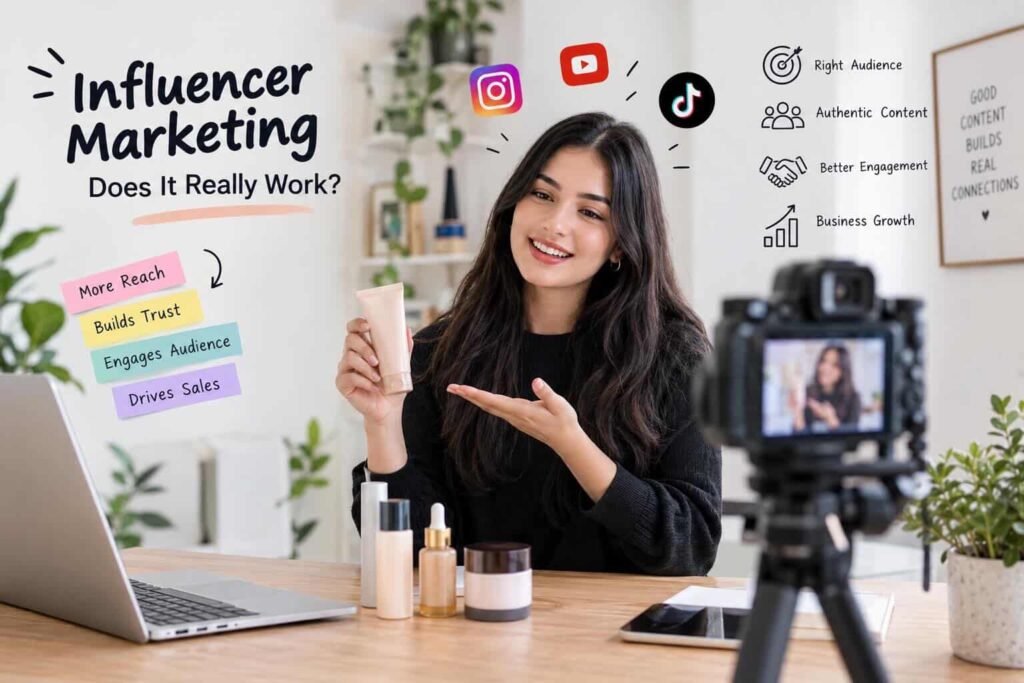
Influencer Marketing: Does It Really Work?

Social media has changed the way people discover products, services, and brands. Today, people do not depend only on traditional advertisements to decide what to buy. They also look at social media posts, reviews, recommendations, videos, and opinions from people they follow online. This is where influencer marketing has become an important part of digital marketing. You may have seen influencers promoting skincare products, clothing brands, restaurants, mobile apps, beauty products, fitness programs, or other services. Sometimes an influencer simply recommends a product in a video or post, while in other cases, they create detailed content showing how they use it. But an important question remains: Does influencer marketing really work? The short answer is yes—but its success depends on how it is planned and executed. Influencer marketing is not simply about paying someone with thousands or millions of followers to promote a product. Successful influencer marketing is about finding the right person, reaching the right audience, creating authentic content, and building trust. Let’s understand how influencer marketing works and why it has become so popular. What Is Influencer Marketing? Influencer marketing is a digital marketing strategy where a brand collaborates with an individual who has an established audience and influence on social media or another online platform. These individuals are commonly called influencers because their content, opinions, recommendations, or expertise can affect the interests and purchasing decisions of their audience. For example, a fashion brand may work with a fashion creator to showcase a new collection. A food business may collaborate with a food creator to introduce a new menu. A technology company may work with a tech creator to review a new product. The influencer creates content around the brand, and the brand gets an opportunity to reach the influencer’s audience. Why Has Influencer Marketing Become Popular? One major reason is the growth of social media. Platforms such as Instagram, YouTube, TikTok, and other social networks have created opportunities for ordinary people to build communities around their interests. People follow creators because they enjoy their content, opinions, personality, knowledge, or lifestyle. Over time, followers may develop a sense of familiarity and trust with these creators. This makes influencer marketing different from traditional advertising. A traditional advertisement usually comes directly from a company. Influencer marketing can feel more like a recommendation from someone the audience already follows. How Does Influencer Marketing Work? Influencer marketing usually involves several steps. First, a brand identifies its marketing goal. The goal could be increasing brand awareness, promoting a product, generating website traffic, getting leads, or increasing sales. Next, the brand finds influencers whose audience matches its target customers. The brand then contacts the influencer and discusses the collaboration. The influencer may create a post, Reel, Story, video, review, tutorial, or another type of content. Finally, the brand measures the results to understand whether the campaign was successful. The important thing is that every step needs to be planned carefully. Different Types of Influencers Not every influencer has millions of followers. Influencers are often divided into different categories based on audience size. Nano Influencers Nano influencers usually have a small but highly focused audience. Their followers may be strongly connected to a specific interest, community, or location. For small businesses, nano influencers can sometimes be useful because their content can feel personal and relatable. Micro Influencers Micro influencers have a larger audience than nano influencers but still maintain a relatively close relationship with their followers. They often focus on specific niches such as beauty, fashion, fitness, food, travel, technology, or education. Their niche-focused audiences can make them valuable for targeted campaigns. Macro Influencers Macro influencers have a much larger following and can provide significant reach. Brands may work with them when their primary goal is increasing awareness and reaching a large audience. Mega Influencers and Celebrities These influencers have extremely large audiences. Working with them can provide massive exposure, but such partnerships can also require larger budgets. For this reason, having a huge following does not automatically mean an influencer is the best choice for every business. Why Do People Trust Influencers? One of the biggest strengths of influencer marketing is trust. People often follow influencers because they feel connected to them. For example, someone who regularly watches a creator’s skincare videos may trust that creator’s opinions about skincare products. When that creator introduces a product they genuinely like, followers may be more interested in learning about it. However, trust can disappear quickly if an influencer promotes too many unrelated products or recommends something that does not match their usual content. That is why authenticity is extremely important. Influencer Marketing and Authenticity Authenticity is one of the most important elements of a successful influencer campaign. People can often recognize when content feels forced or overly promotional. For example, imagine a fitness creator suddenly promoting a product that has nothing to do with fitness or their usual content. The promotion may feel unnatural. On the other hand, if the same creator promotes sportswear, fitness equipment, or a healthy food product, the collaboration may feel more relevant. The partnership should make sense for both the influencer and the brand. Does More Followers Mean Better Results? Not necessarily. A common mistake businesses make is choosing influencers only because they have a large number of followers. Follower count is only one factor. A creator with 20,000 highly engaged followers may sometimes be more useful for a specific campaign than a creator with 500,000 followers whose audience is not interested in the product. Brands should consider: The right audience is often more valuable than a large audience. The Importance of Engagement Engagement shows how actively an audience interacts with an influencer’s content. Likes, comments, shares, saves, views, and other interactions can provide useful information about audience interest. For example, an influencer may have 100,000 followers but receive very little interaction on their posts. Another influencer may have 15,000 followers and receive strong engagement. This does not mean engagement alone determines success, but it can help brands understand whether

Create Good Content
Uncategorized

How to Create Good Content: A Simple Guide for Beginners

In today’s digital world, content is everywhere. We see social media posts, videos, blogs, advertisements, emails, reels, and many other types of content every day. With so much content available online, creating something that people actually notice and remember can be challenging. Good content is not simply about using beautiful words or attractive designs. It is about understanding your audience, providing value, sharing useful information, and creating something that connects with people. Whether you are a business owner, student, content creator, or digital marketer, learning how to create good content can help you build a stronger online presence. What is good content ? Good content is content that is useful, interesting, relevant, and easy to understand. It gives the audience a reason to stop, read, watch, share, or take action. Good content can educate people, solve a problem, answer a question, entertain an audience, or inspire someone. For example, a social media post that teaches someone how to improve their Instagram profile provides value. A blog that explains SEO in simple language can help beginners understand a difficult topic. The main goal is not just to create content. The goal is to create content that matters to the people who see it. The first step to creating good content is understanding your audience. Before creating a post or writing a blog, ask yourself: For example, if your target audience is digital marketing beginners, complicated technical explanations may not be the best choice. Simple language, examples, tips, and step-by-step guides may work better. When you understand your audience, you can create content that feels relevant to them. A good topic is the foundation of good content. Choose topics that your audience actually cares about. You can look at common questions, problems, trends, and discussions related to your industry. Instead of choosing a topic only because you like it, think about whether your audience will find it useful. For example, instead of simply writing “SEO,” you could create a more specific topic such as: “5 Simple SEO Tips for Beginners.” The second topic gives the reader a clear idea of what they will learn. People consume a huge amount of content every day. To stand out, your content needs to provide value. Value can come in different forms. Your content can: Always ask yourself: “What will my audience gain from this content?” If the answer is clear, you are moving in the right direction. Good content does not have to be complicated. In fact, simple content is often easier to understand and remember. Avoid using unnecessary difficult words when a simple word can communicate the same idea. For example, instead of saying: “Businesses should implement an effective digital communication methodology.” You could say: “Businesses should use a clear digital marketing strategy.” Simple language makes your content accessible to more people. The first few seconds or lines of your content are very important. On social media, people scroll quickly. If your opening does not catch their attention, they may move on. A strong hook creates curiosity and encourages people to continue. For example: “Your content may not be bad. You might just be creating the wrong content for the wrong audience.” This makes the reader curious about what comes next. You can start with a question, surprising fact, problem, statement, or relatable situation. People connect naturally with stories. Instead of only presenting information, try to make your content more relatable by using examples and experiences. For example, if you are writing about social media marketing, you can explain how a small business started with very few followers and gradually built an audience through consistent content. Stories make information easier to understand and remember. Even educational content can include storytelling. Visual content is an important part of digital marketing. Images, graphics, videos, infographics, and other visual elements can make your content more attractive. For social media posts, a good visual can encourage someone to stop scrolling and pay attention. However, visuals should support your message rather than distract from it. Keep your designs clean and readable. Use suitable fonts, spacing, images, and layouts. Do not depend on only one type of content. There are many formats you can use, including: Different people prefer different content formats. Some people like reading blogs, while others prefer watching short videos. Using different formats can help you reach a wider audience. Posting frequently is useful, but quality should not be ignored. Creating ten weak posts is not necessarily better than creating three valuable posts. Before publishing something, check whether it is useful, accurate, clear, and relevant. Ask yourself: “Would I find this useful if I were my target audience?” If the answer is yes, your content has a better chance of making an impact. Consistency is one of the most important parts of content creation. You do not have to post every day. Instead, create a schedule that you can realistically maintain. For example, you could publish: The exact schedule depends on your goals and available time. Consistency helps your audience know when to expect content from you. It can also help you develop a stronger online presence. If you are creating blogs or website content, SEO can help people discover your content through search engines. Start by understanding what your audience searches for. Use relevant keywords naturally in your: However, avoid adding keywords unnecessarily. Content should always be written for people first and search engines second. Good SEO content answers the reader’s question clearly while naturally using relevant search terms. Good content should often encourage the audience to take the next step. This is called a Call to Action (CTA). A CTA could ask people to: For example: “What do you think? Share your thoughts in the comments.” A clear CTA tells your audience what they can do next. People can connect with real and genuine content. You do not always need to copy what other creators are doing. Find your own voice and style. Share your ideas, experiences, lessons, and perspectives. If you are a

Uncategorized

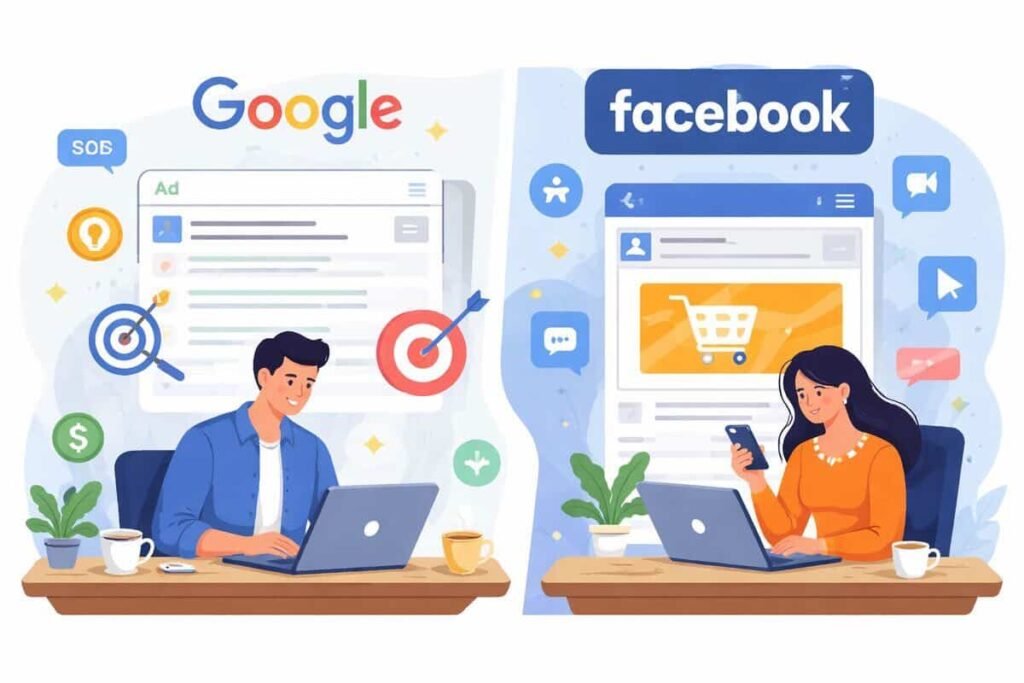
Google Ads vs. Social Media Ads: Which Advertising Strategy Is Better for Your Business?

Google Ads vs. Social Media Ads is an important comparison for businesses looking to reach the right audience online. In today’s digital-first world, businesses use online advertising to increase website traffic, generate leads, and grow sales. Both Google Ads and Social Media Ads are powerful advertising options, but they work differently and target audiences at different stages of the customer journey. But when comparing Google Ads vs. Social Media Ads, which one is better? The answer to Google Ads vs. Social Media Ads is not as simple as choosing one platform over the other .Google Ads and Social Media Ads work differently, target audiences differently, and are useful at different stages of the customer journey. Understanding these differences can help businesses spend their advertising budget more effectively. In this blog, we will explore Google Ads vs. Social Media Ads, their major differences, advantages and disadvantages, costs, targeting methods, and which platform is right for your business. ⸻ What Are Google Ads? Google Ads is an online advertising platform that allows businesses to display advertisements across Google’s ecosystem. This can include Google Search, YouTube, Google Maps, and other websites and services within Google’s advertising network. One of the biggest advantages of Google Ads is that it can reach people when they are actively searching for something. For example, imagine someone searches: A business offering these products or services can create advertisements that appear when users search for relevant keywords. This makes Google Ads particularly powerful for capturing existing demand. If someone is already searching for a product or service, they may be closer to making a purchase than someone who simply sees an advertisement while scrolling through social media. How Google Ads Works Google Ads primarily works through keyword targeting and bidding. Advertisers select keywords that potential customers may search for. They then create advertisements related to those keywords. When someone searches for a relevant term, Google’s system determines which advertisements should appear. Businesses may pay when someone clicks their advertisement, depending on the campaign and bidding strategy. For example, a company selling handmade jewellery might target keywords such as: “handmade jewellery online” “custom jewellery” “handmade earrings” “unique jewellery for women” The goal is to appear in front of users who already have an interest or intention related to the product. ⸻ What Are Social Media Ads? Social Media Ads are paid advertisements displayed on social media platforms. Popular platforms include Instagram, Facebook, LinkedIn, TikTok, Pinterest, and others. Unlike Google Search Ads, social media advertising generally does not depend on users actively searching for a product. Instead, advertisements are shown based on factors such as: For example, a fashion brand can show an Instagram advertisement to people interested in fashion, beauty, lifestyle, and online shopping. The user may not have searched for the product, but the advertisement can introduce the product to them. Therefore, Social Media Ads are especially useful for creating demand, increasing awareness, building communities, and influencing purchasing decisions. ⸻ Google Ads vs. Social Media Ads: The Main Difference The simplest way to understand the difference is: Google Ads captures existing demand, while Social Media Ads can create and influence demand. Consider two situations. Situation 1: Someone needs a service A person urgently needs a photographer for a wedding. They search Google for “wedding photographer near me.” A photographer running Google Ads can appear in front of that potential customer. The person already has an intention to purchase. Situation 2: Someone discovers a product Another person is scrolling through Instagram and sees a beautiful advertisement for handmade jewellery. They were not actively searching for jewellery, but the advertisement catches their attention. They visit the brand’s profile, explore the products, and eventually make a purchase. This is where Social Media Ads can be extremely effective. ⸻ Google Ads vs. Social Media Ads: Key Differences User intent is one of the biggest differences of Google Ads vs. Social Media Ads. Google Ads generally reaches people who are actively searching for information, products, or services. For example: “Best laptop under ₹60,000” “Digital marketing course near me” “Buy skincare products online” These searches indicate some level of intent. Social media users, however, may not be looking for a particular product when they see an advertisement. They may simply be browsing their feed. Therefore: Google Ads = higher search intent Social Media Ads = discovery and interest ⸻ Both platforms provide powerful targeting options, but their approaches are different. Google Ads can target people based on search keywords, location, language, device, audience signals, and other campaign settings. Social Media Ads provide detailed audience targeting based on demographics, interests, behavior, engagement, and previous interactions. For example, a fitness business might target social media users interested in: This allows businesses to reach highly specific groups of people. ⸻ Google Ads offers several advertising formats. These can include: Social media platforms are particularly strong when it comes to visual advertising. Businesses can use: This makes social media advertising particularly attractive for brands with strong visual content. Fashion, beauty, food, travel, fitness, lifestyle, and entertainment businesses can benefit significantly from visually engaging advertisements. ⸻ The cost of advertising depends on many factors, including industry, competition, audience, location, campaign objective, quality of the advertisement, and bidding strategy. Google Ads can become expensive for highly competitive keywords. For example, keywords related to insurance, legal services, finance, and certain business services can have strong competition. Social Media Ads can sometimes provide relatively affordable opportunities for awareness, engagement, traffic, and lead generation. However, cheaper advertising does not automatically mean better advertising. The important question is: How much value are you generating from every rupee you spend? A campaign that costs more but produces profitable customers may be better than a cheaper campaign that generates little business. ⸻ Google Ads vs. Social Media Ads can work at different stages of the customer journey. The customer journey often includes: Awareness → Interest → Consideration → Conversion → Loyalty Social Media Ads are particularly useful for the awareness and discovery stages. Google Ads can

Scroll to Top